
Cara Membangun Bengkel Struktur Baja: Panduan Langkah demi Langkah untuk Pembeli Industri
Tahap 5: Persiapan Lahan dan Konstruksi Pondasi
Pemasangan baut jangkar adalah langkah yang paling membutuhkan ketelitian dalam keseluruhan proyek.Dengan menggunakan rencana tata letak baut jangkar dari pabrikan, sangkar baut diposisikan di setiap lokasi kolom. Pola baut, jarak, tinggi proyeksi, dan orientasi harus sesuai persis dengan rencana tata letak. Selalu ukur posisi baut dengan alat ukur sebelum pengecoran beton.Tahap 6: Pemasangan Struktur Baja dan Instalasi Panel
Urutan ereksi untuk sebuahbengkel struktur baja:
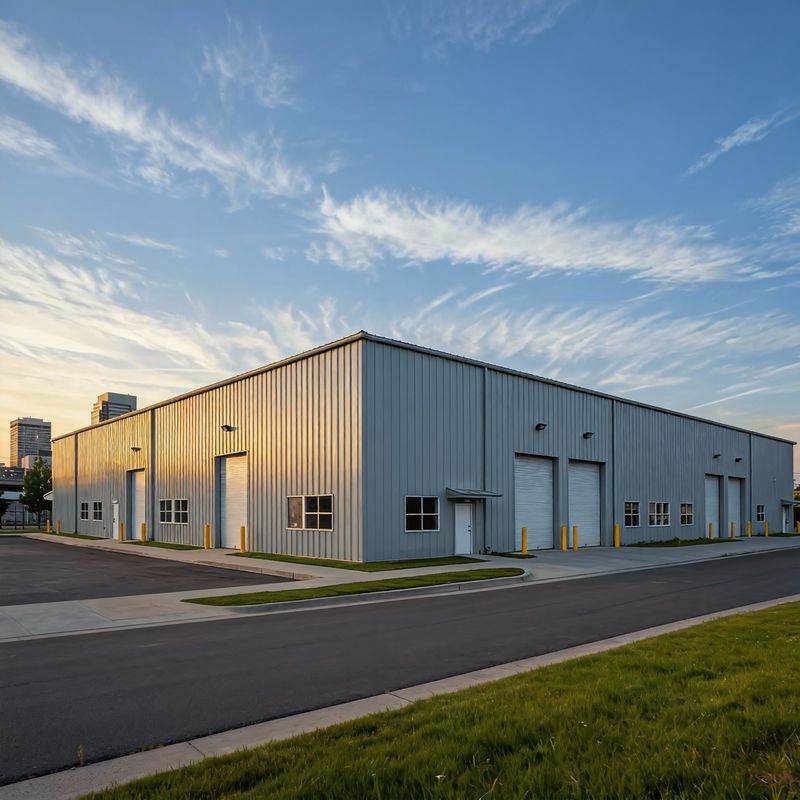
Inspeksi baut jangkar dan perataan pelat dasar
| — Periksa setiap posisi baut sesuai dengan gambar sebelum memasang baja apa pun | Pemasangan kolom | — kolom-kolom diangkat dengan derek bergerak dan ditopang sementara | Pemasangan kasau dan penyangga permanen |
|---|---|---|---|
| — sambungan baut pada pelat ujung, penyangga atap dan dinding dipasang per bentang | Pembingkaian sekunder | — balok penopang dan balok pengikat yang dibaut ke rangka utama | Pemasangan panel atap |
| — dimulai dari ujung bawah kemiringan atap ke atas, dengan penutup bubungan dan pelapis atap | Pemasangan panel dinding | — dari satu ujung ke ujung lainnya, dengan pelapis dasar dan trim sudut | Pintu, jendela, dan aksesori ventilasi. |
| — komponen akhir disegel agar kedap cuaca | Pertanyaan yang Sering Diajukan | Berapa lama waktu yang dibutuhkan untuk membangun bengkel struktur baja dari pemesanan hingga selesai? | Untuk bengkel berukuran sedang seluas 1.500 hingga 3.000 m², total jangka waktunya biasanya adalah... |
| 75 hingga 120 hari | : desain (10 hari), fabrikasi (25–35 hari), pengiriman (20–35 hari), lokasi dan pondasi (15–30 hari secara paralel), dan pemasangan serta penyelesaian (15–30 hari). | Apakah saya memerlukan insinyur struktur lokal, atau apakah pabrikan menyediakan semuanya? | Pabrikan menyediakan perhitungan dan gambar struktur lengkap. Namun, jika negara Anda memerlukan izin bangunan setempat, pihak berwenang mungkin mensyaratkan perhitungan tersebut untuk dibubuhi stempel oleh insinyur berlisensi setempat. Periksa persyaratan izin setempat sebelum melakukan pemesanan. |
| Berapa kapasitas derek bergerak yang saya butuhkan untuk pemasangan? | Untuk bengkel dengan ketinggian atap 7 hingga 12 m dan bentang 18 hingga 36 m, | Derek bergerak berkapasitas 25 ton hingga 50 ton | Biasanya sudah memadai. Pabrikan memberikan saran mengenai berat komponen maksimum untuk membantu pemilihan derek. |
| Apa kesalahan paling umum yang dilakukan pembeli saat membangun bengkel baja? | Memulai pembangunan pondasi tanpa memverifikasi tata letak baut jangkar dengan cermat. | Baut yang tidak sejajar yang ditemukan setelah beton mengeras memerlukan pekerjaan perbaikan yang mahal — pengeboran inti, penjangkaran kimia, dan analisis ulang struktur — yang menunda proyek selama berminggu-minggu. | Siap Memulai Proyek Bengkel Struktur Baja Anda? |
PadaGedung Meituo
Kami memandu pembeli melalui setiap tahap — mulai dari menentukan bentang dan spesifikasi derek yang tepat hingga rekayasa, pengiriman ekspor, dan dukungan pemasangan. Kirimkan kepada kami dimensi bangunan Anda, lokasi proyek, dan tujuan penggunaan. Tim kami akan memberikan
denah struktur dan perkiraan harga gratis dalam 3 hari kerja..E-mail:
| sales@meituobuildings.com | WhatsApp / Telepon: | +86 15910306877 |
|---|---|---|
| Situs web: | www.meituobuildings.com | Drives primary frame size — the main cost factor |
| Project location | Country and city or region | Determines wind load, snow load, seismic zone for structural design |
| Overhead crane | Capacity in tons and hook height | Must be specified before design begins — crane loads determine column sections |
| Insulation system | Panel type and thickness | Affects panel weight, purlin spacing, thermal performance |
| Doors and openings | Number, size, type and location | Affects structural detailing at openings and panel layout |
Stage 2: Structural Engineering and Drawing Approval
Once you confirm your requirements, the structural engineering team begins the technical design. For a standard prefab steel workshop, this takes 5 to 15 days. The engineering package includes: structural calculation report, general arrangement drawings, anchor bolt layout plan, and fabrication drawings.
Review the anchor bolt plan carefully before foundation construction begins. Misaligned anchor bolts are the single most common cause of erection delays on prefab steel projects. Once concrete has cured, repositioning bolts requires expensive core drilling and chemical anchoring.
Stage 3: Factory Fabrication and Quality Control
After design approval and payment, factory production begins. The production sequence includes:
1. Steel Procurement: Plates and sections are ordered to the specified grade (Q235B or Q355B) with mill certificates.
2. CNC Cutting and Drilling: Plates are cut to precise dimensions and drilled for bolt holes using computer-controlled machines.
3. Welding and Assembly: Column and rafter assemblies are welded from cut plates and sections. Weld quality at knee joints and ridge joints is critical.
4. Shot Blasting to Sa 2.5: All members are shot blasted before painting. Surface treatment is where quality is most often compromised to reduce cost — confirm the shot blasting standard and paint system in writing before placing your order.
5. Component Marking and Packing: Every member is marked with a unique component number and bundled for container shipping.
Stage 4: Shipping and Customs Clearance
| Destination Region | Typical Sea Transit | Main Port of Entry |
|---|---|---|
| Southeast Asia | 5 – 15 days | Port Klang, Singapore, Jakarta |
| Middle East (Saudi, UAE, Qatar) | 18 – 28 days | Jeddah, Dammam, Jebel Ali |
| East Africa | 20 – 30 days | Mombasa, Dar es Salaam |
| West Africa | 25 – 35 days | Lagos, Tema, Abidjan |
| South America | 28 – 42 days | Santos, Buenos Aires, Callao |
Ensure your customs broker receives all documents — commercial invoice, packing list, bill of lading, certificate of origin — well before the vessel arrives. Steel components left in containers at port incur daily demurrage charges.
Stage 5: Site Preparation and Foundation Construction
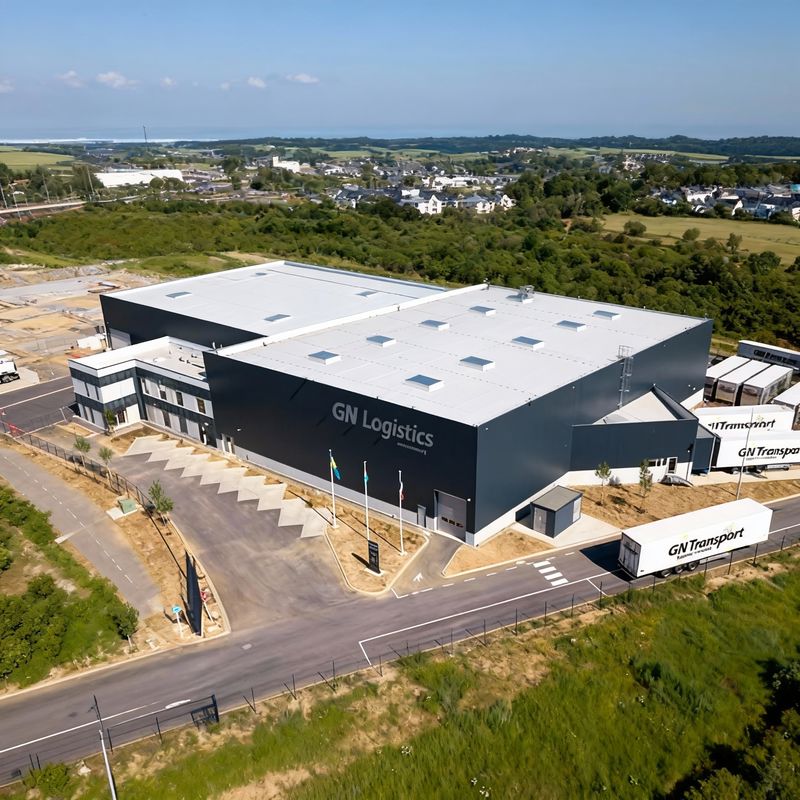
Anchor Bolt Setting is the most precision-critical step of the entire project. Using the manufacturer anchor bolt layout plan, the bolt cage is positioned at each column location. The bolt pattern, spacing, projection height, and orientation must match the layout plan exactly. Always survey bolt positions with a surveying instrument before pouring concrete.
Stage 6: Steel Erection and Panel Installation
The erection sequence for a steel structure workshop:
Anchor bolt inspection and base plate leveling — check every bolt position against drawings before erecting any steel
Column erection — columns lifted by mobile crane and temporarily braced
Rafter installation and permanent bracing — end plate bolted connections, roof and wall bracing installed per bay
Secondary framing — purlins and girts bolted to primary frame
Roof panel installation — starting from the low end of the roof slope upward, with ridge caps and eave flashings
Wall panel installation — from one end to the other, with base flashings and corner trims
Doors, windows, ventilation accessories — final components sealed for weather tightness
Frequently Asked Questions
How long does it take to build a steel structure workshop from order to completion?
For a medium-size workshop of 1,500 to 3,000 m², the total timeline is typically 75 to 120 days: design (10 days), fabrication (25–35 days), shipping (20–35 days), site and foundation (15–30 days in parallel), and erection and finishing (15–30 days).
Do I need a local structural engineer, or does the manufacturer provide everything?
The manufacturer provides complete structural calculations and drawings. However, if your country requires a local building permit, the authority may require calculations to be stamped by a locally licensed engineer. Check local permit requirements before placing your order.
What mobile crane capacity do I need for erection?
For workshops with eave heights of 7 to 12 m and spans of 18 to 36 m, a 25-ton to 50-ton mobile crane is usually adequate. The manufacturer advises on the maximum component weight to assist crane selection.
What is the most common mistake buyers make when building a steel workshop?
Starting foundation construction without carefully verifying the anchor bolt layout. Misaligned bolts discovered after concrete sets require expensive corrective work — core drilling, chemical anchoring, and structural re-analysis — delaying the project by weeks.
Ready to Start Your Steel Structure Workshop Project?
At Meituo Buildings, we guide buyers through every stage — from defining the right span and crane specification to engineering, export shipping, and erection support. Send us your building dimensions, project location, and intended use. Our team will provide a free structural layout and price indication within 3 business days.
Email: sales@meituobuildings.com
WhatsApp / Phone: +86 15910306877
Website: www.meituobuildings.com